Castle Rock Season 2: When You Realize You’re Not Watching a Horror Story—You’re Watching a System
Season 2 of Castle Rock didn’t ease me in. It immediately let me know this wasn’t just going to be “more weird stuff happening in a cursed town.” This was bigger. More organized. More intentional.
The moment someone casually mentions Jerusalem’s Lot on the radio, my brain went, wait… hold up. That’s not an Easter egg—that’s a warning. That’s the show telling you these places aren’t isolated incidents. This isn’t one haunted town. This is a network.
And once that clicked, everything in Season 2 started making a terrifying kind of sense.
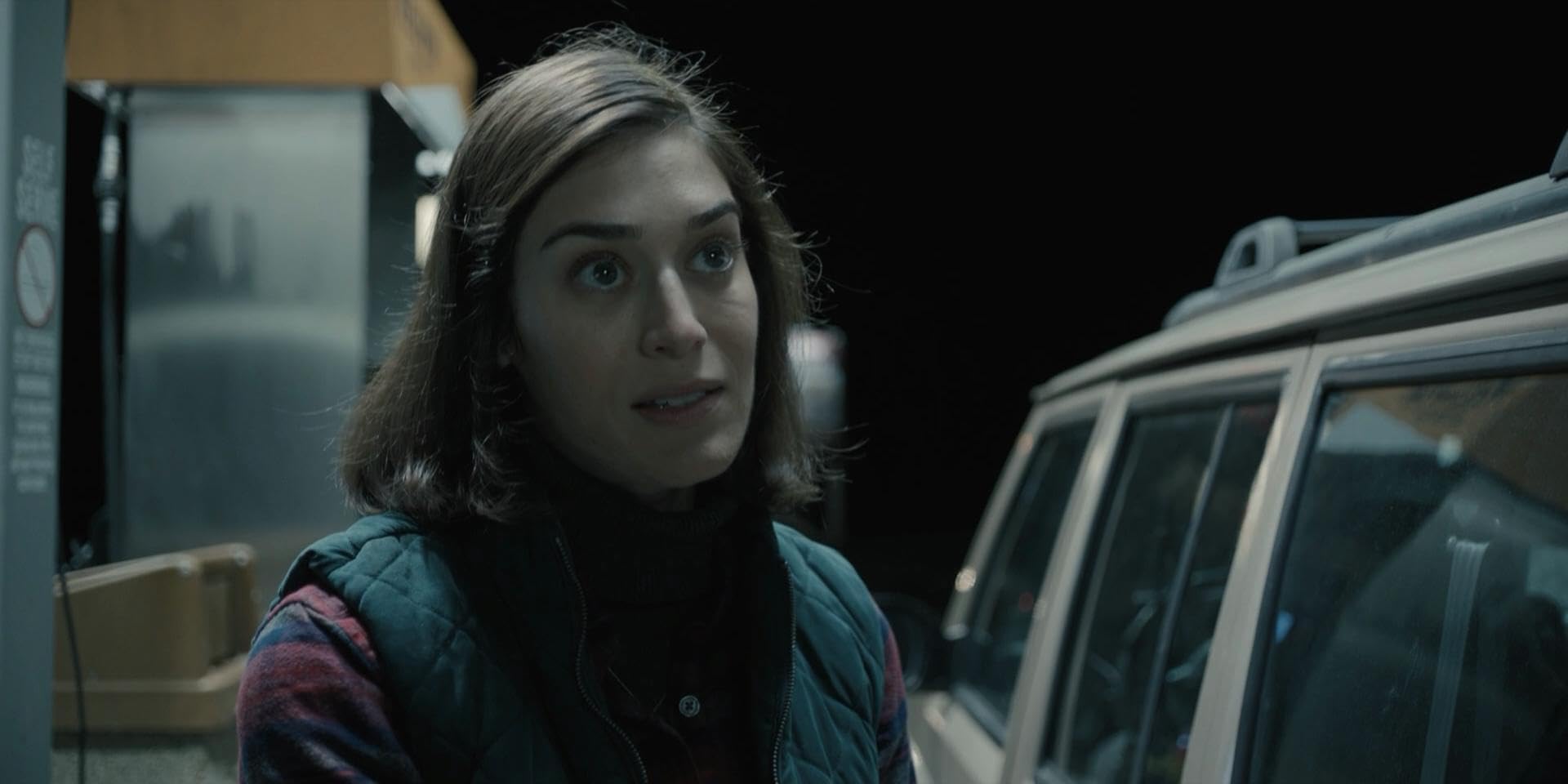
Take Nurse Ingalls, for example. At first, you sympathize with her. She’s broke. She’s desperate. Life is squeezing her from every angle. But then the choices start stacking up. Stealing meds. Cutting hospital power. Breaking into a crime family’s house. And the thing that stood out to me wasn’t even the crimes—it was how calm she stayed after violence.
That’s not panic. That’s familiarity.
Which ties directly into The Tall Man, who might be one of the scariest presences the show has ever had. He doesn’t chase people. He doesn’t yell. He just… watches. Registers. When he asks, “Did you like it?” after violence, that question isn’t seductive—it’s diagnostic. He’s not creating monsters. He’s checking compatibility.
Season 2 made me realize that the most dangerous evil doesn’t force belief—it waits for consent.
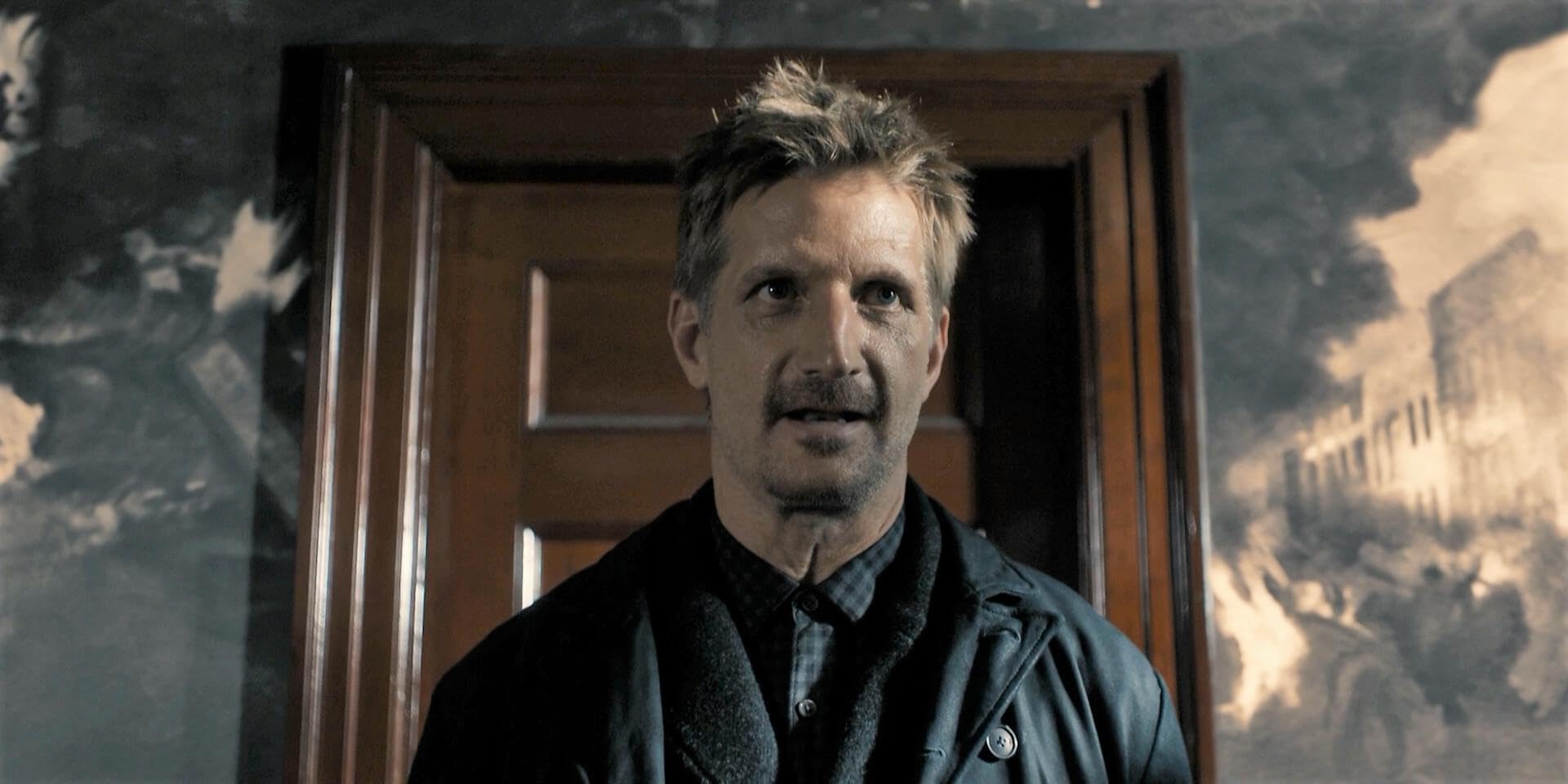
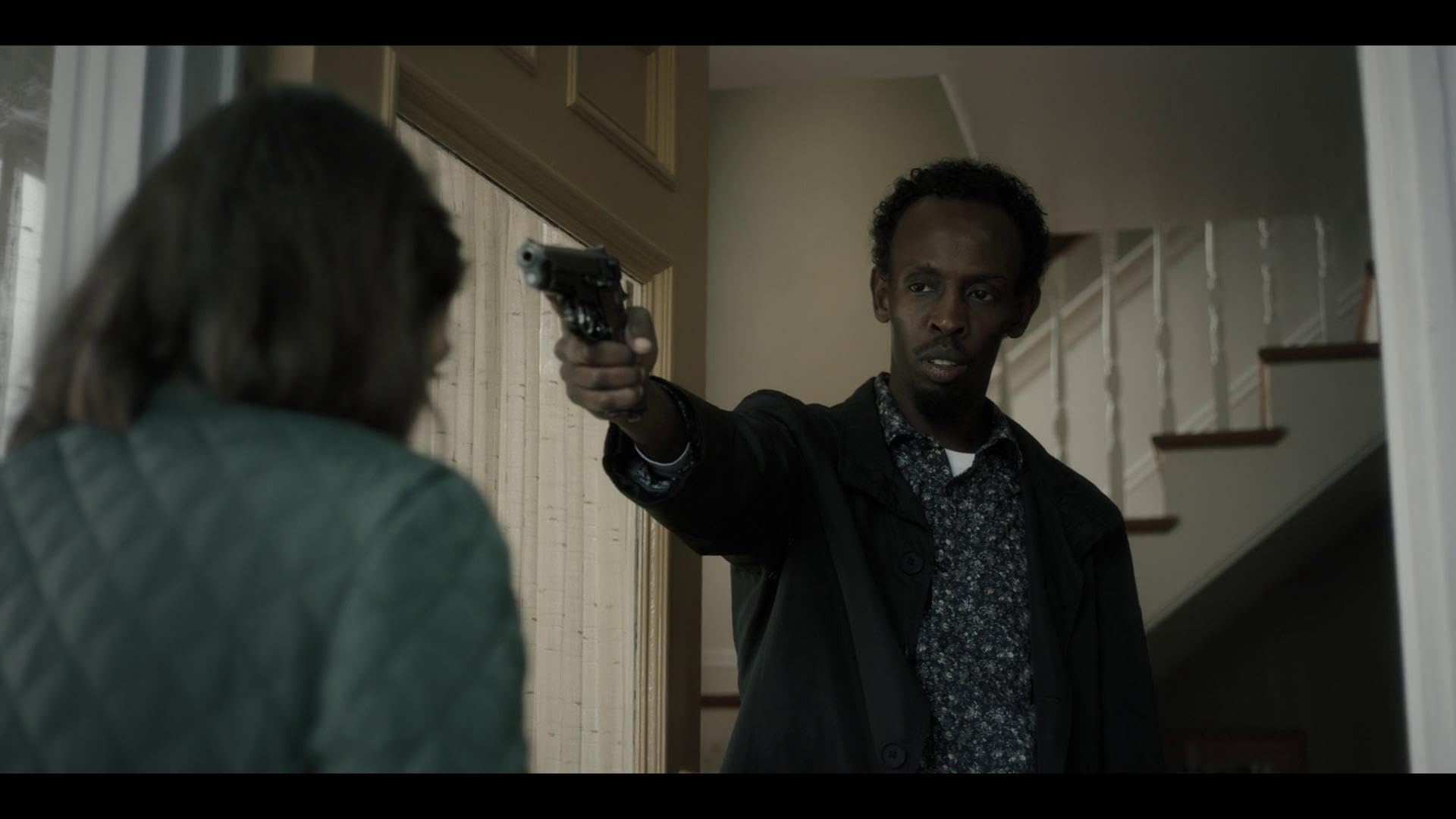
This becomes even clearer once Ace starts talking about “fellowship,” which is when I realized we had fully crossed into ideological horror. This isn’t crime anymore. This is conversion. People aren’t just being killed—they’re being emptied out and repurposed. Individuality becomes a problem. Death becomes “necessary.”
And Stephen King has warned us about this forever: evil with theology is far more dangerous than evil with claws.
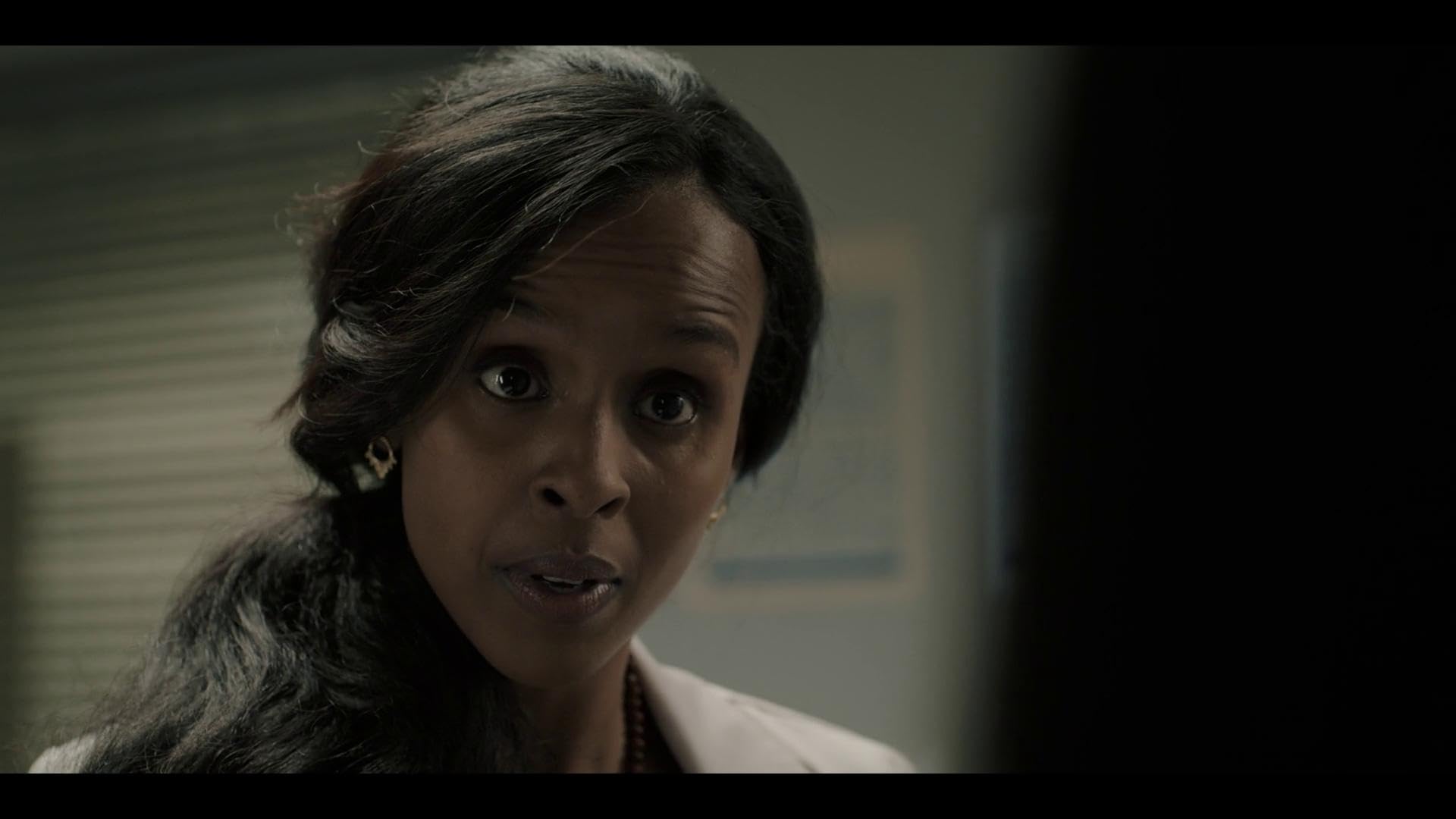
Dr. Nadia stood out to me as one of the few genuine lights in the season, but even that came with a painful truth—one good person cannot stop a system designed to spread. She refuses to enable her family, but she also can’t redeem them on her behalf. Castle Rock doesn’t punish hope because it’s naive. It punishes it because darkness is organized.
Then there’s Annie Wilkes.
Season 2 isn’t remixing Misery—it’s building it. Watching Annie lose Joy didn’t just break her; it solidified her worldview. Love becomes control. Pain becomes proof. Stories become safer than reality. By the time Misery happens, Annie isn’t improvising cruelty—she’s enforcing doctrine.
And the lake? That’s not scenery. That’s a threshold. The Kid isn’t the door or the key—he’s just the one who knows how to use it.
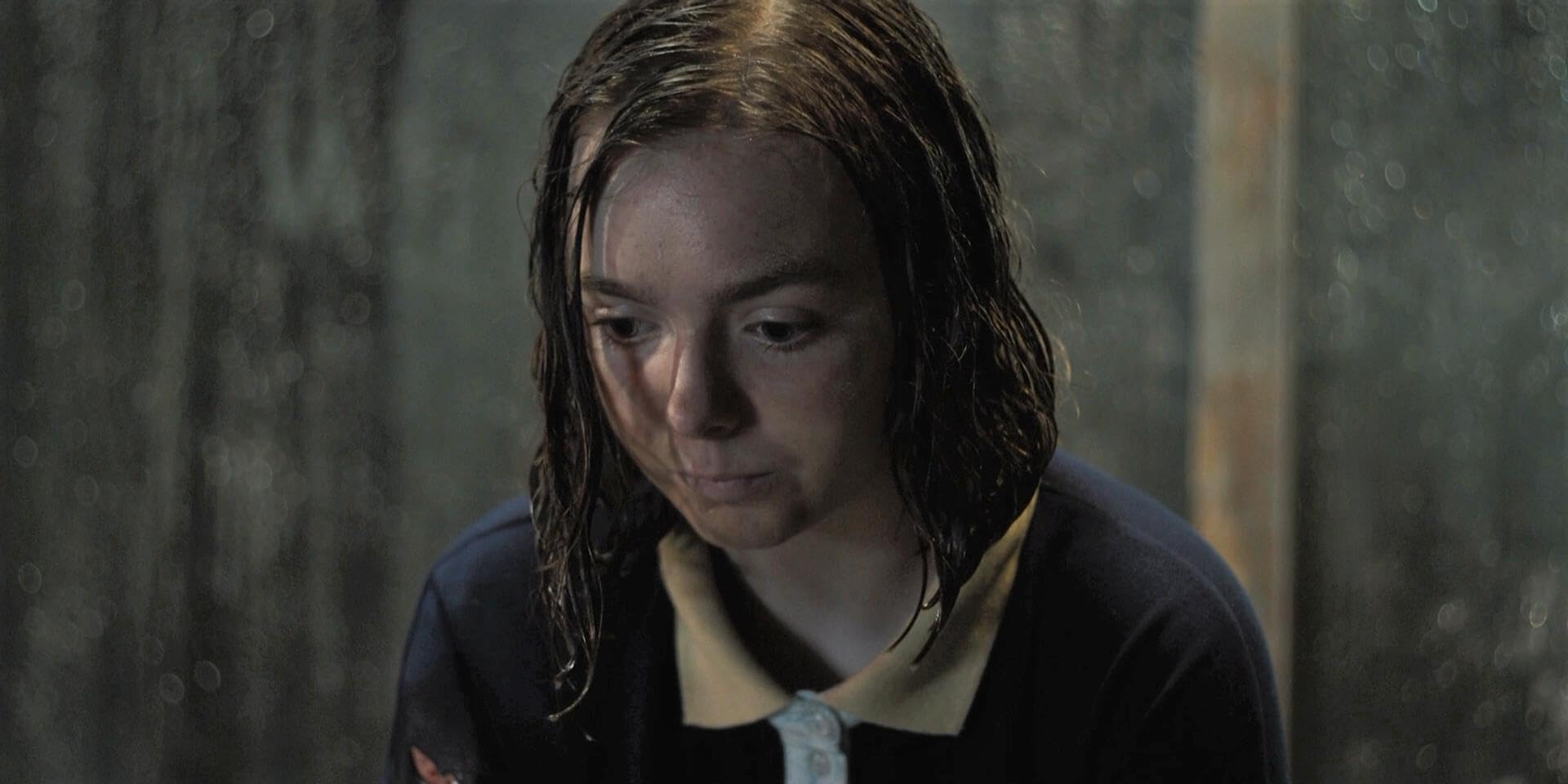
Joy’s ending broke me in a quiet way. She doesn’t turn evil. She retreats. She creates a world where love doesn’t hurt and loss doesn’t exist. And the cruelest truth Season 2 leaves us with is this: sometimes escape is more dangerous than death.
Season 2 isn’t about monsters. It’s about systems—how evil integrates, organizes, and spreads when people are tired, scared, and looking for certainty.
And yeah…
Season 2 is AWESOME.
I didn't forget Rita's History Rewriting! smh.