Castle Rock Didn’t Give Me Answers—It Gave Me a Mirror (And I’m Still Side-Eyeing It)
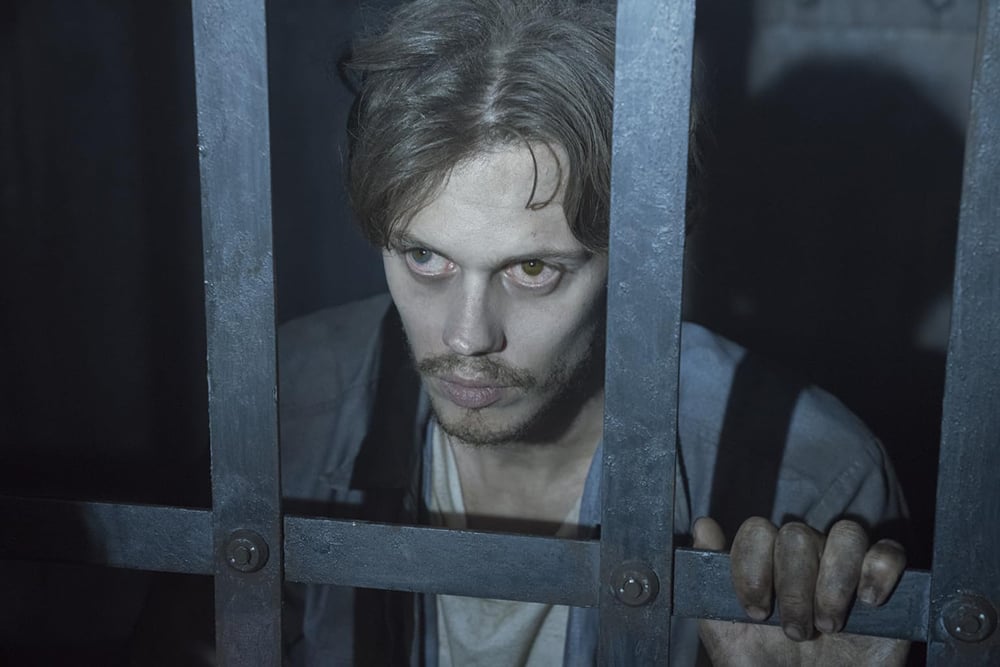
Watching Castle Rock Season 1 felt less like watching a TV show and more like being pulled into a conversation where the show keeps asking me questions and then absolutely refuses to answer any of mine. And somehow, I stayed. Episode after episode. Confused, intrigued, mildly irritated—but locked in.
At first, I approached it like a puzzle. Who is The Kid? Is he the devil? Is he Henry from another timeline? Is this Dark Tower stuff leaking into the walls? My brain was in full theory mode, because surely all of this was building toward a clean explanation.
It wasn’t.
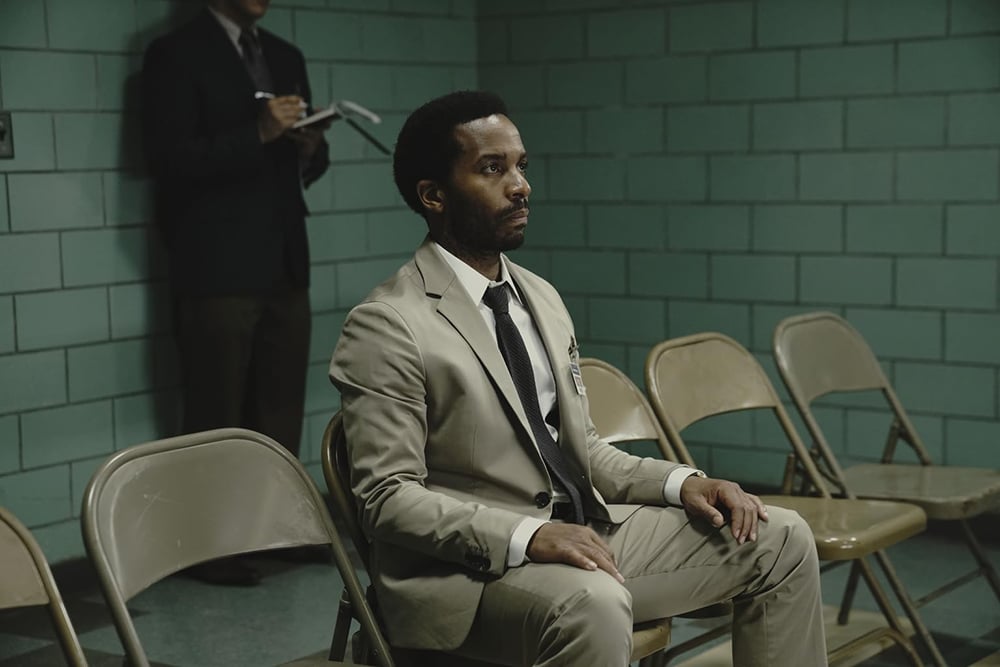
And once I accepted that, the show clicked into something way more uncomfortable.
The thing that really got to me about The Kid is that he doesn’t force violence whenever he’s around, and that’s interesting to me. He doesn’t compel cruelty either. It’s almost like his presence just exposes fractures that were already there—and it does it in the worst possible way. People don’t suddenly become monsters because of him. They just stop pretending they aren’t capable of it.
And that realization bothered me more than any supernatural explanation could have.
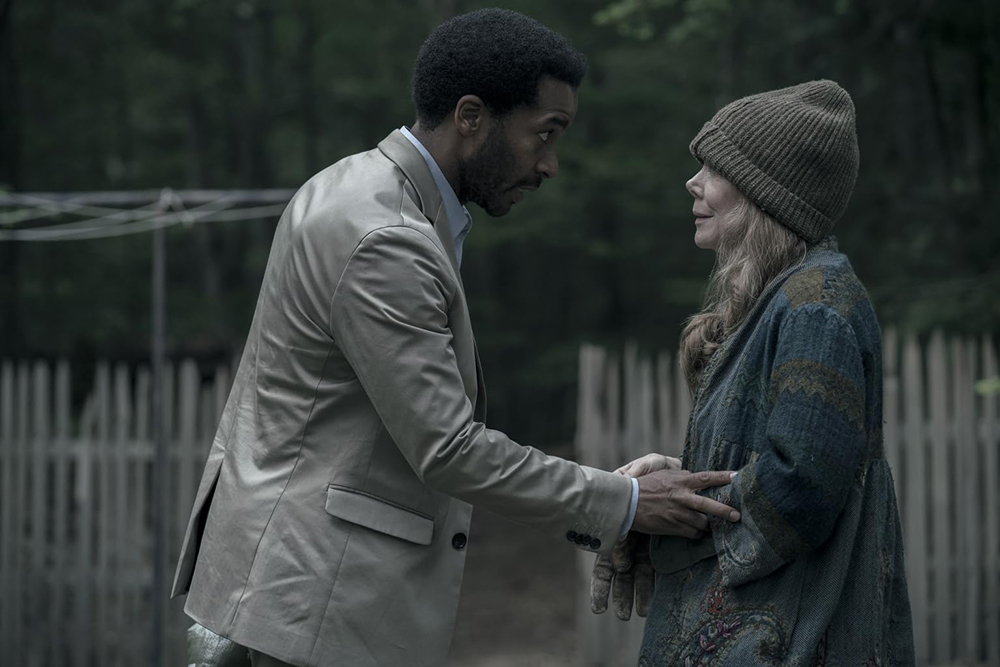
What Castle Rock slowly made clear is that this town isn’t haunted—it’s unresolved. Everyone is carrying something they never dealt with. Henry’s disappearance. Ruth’s slipping memory. Molly’s overwhelming empathy. Warden Lacy’s religious certainty. Nobody actually heals. They just move forward with duct tape over emotional cracks and hope nothing pushes too hard.
The Kid pushes nothing. He just stands there.
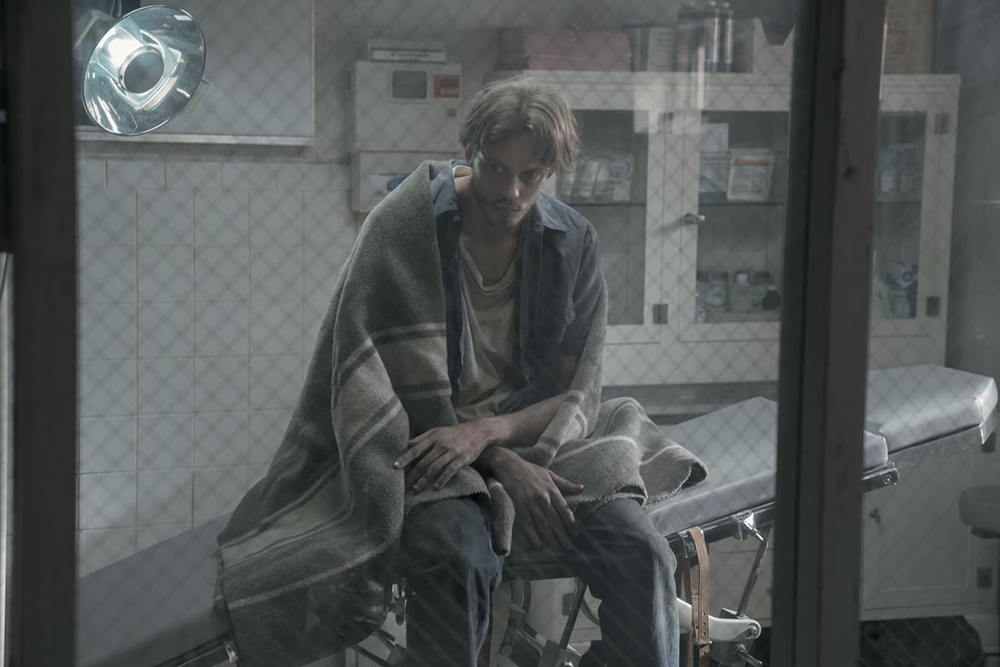
And what really messed with me is how badly I wanted answers anyway. I wanted rules. I wanted to understand the system so I could feel safe inside it. Henry wants the same thing, and the show quietly asks whether understanding something automatically makes you responsible for what comes next.
By the time Henry makes that decision—putting The Kid in the cage—it doesn’t feel like a win. It feels like containment dressed up as morality. Like saying, “I don’t know what you are, but I know I can’t live with the uncertainty.”
Ruth’s storyline absolutely wrecked me here. The way time folds in on itself through dementia, how memory and reality blur together—it turns the supernatural into something painfully human. Watching her try to hold onto truth while it slips through her fingers made me realize that Castle Rock isn’t interested in scaring you with monsters. It’s interested in watching you sit with discomfort.
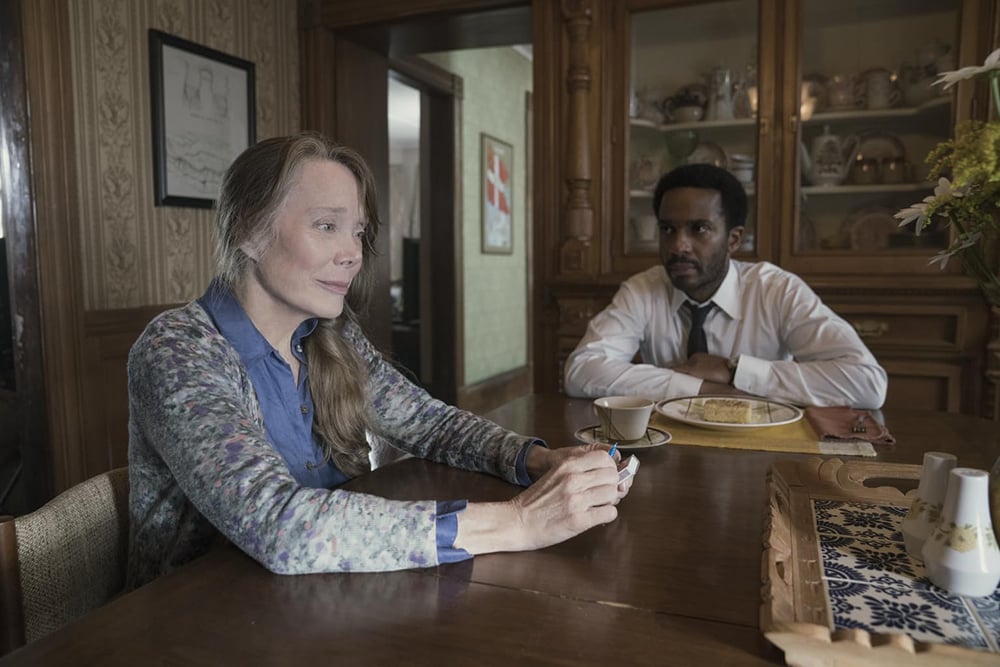
And that’s when it hit me: everyone in Castle Rock is guilty. Not in a dramatic, villainous way—but in small, human ways. People sense danger and proceed anyway. They rationalize. They look away. And when things fall apart, they’re quick to point at The Kid like he brought evil with him.
He didn’t. He just reflected it.
The ending didn’t betray me—it exposed me. I wanted closure. I wanted answers. Instead, the show asked me how much uncertainty I can tolerate before I need a cage of my own.
I didn’t get answers.
I got a mirror.
And honestly? I’m still side-eyeing it.